
Our Neighborhood
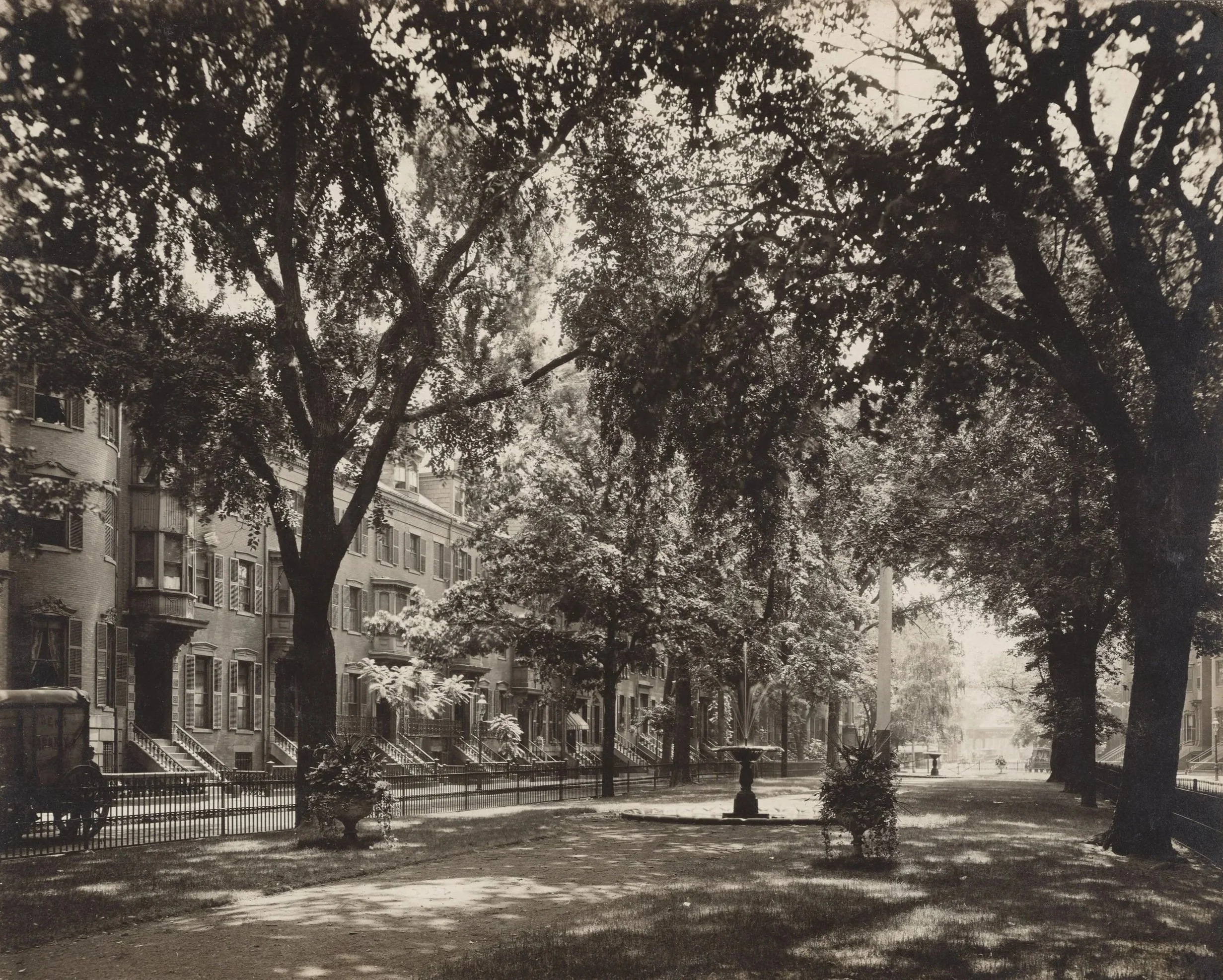
The Union Park Neighborhood Association (UPNA), formally Union Park Association, Inc. was formed in 1979. The Park itself was constructed between 1857 and 1859 at Union Park Street between Tremont Street and Shawmut Avenue. Union Park is the oldest residential park in the South End.
The row houses around the park were designed to mimic the styles of the time, such as Second Empire, Queen Anne, Gothic Revival, and Greek Revival. It is said that they were designed for upper and upper middle class residents of Boston. The house designs were restricted to height, style, material, and placement by the city. This led to both uniformity in the quality of the houses and in architectural appearance.
The city of Boston owns Union Park. Through an agreement with the city, the UPNA has assumed the care of the park and the city allows the UPNA to control usage. It is designated as an ornamental park; however, the UPNA opens it up for some special neighborhood events.
The South End
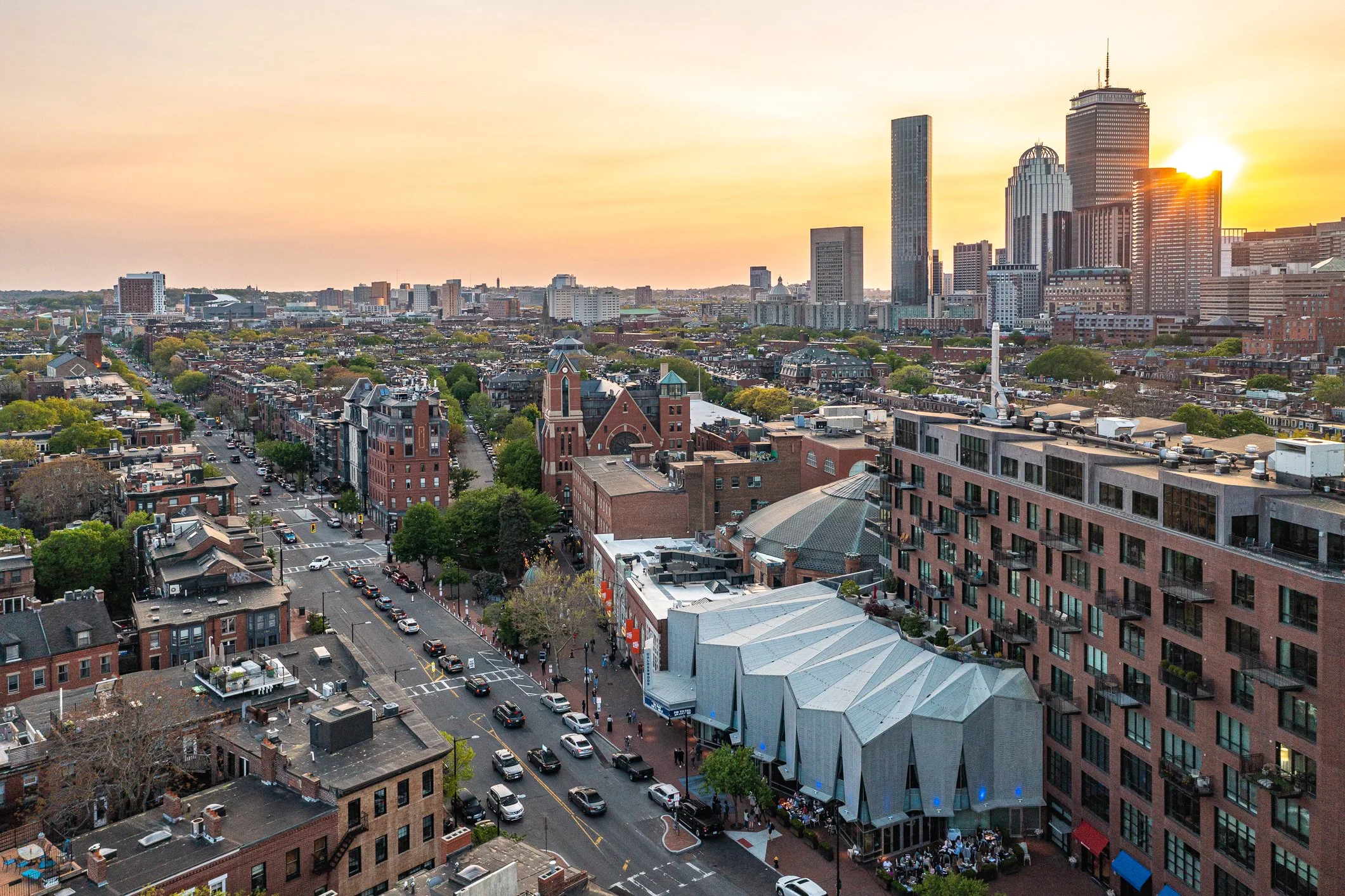
The South End was laid out on reclaimed land in the mid-19th century. Architect Charles Bulfinch, who created the Massachusetts State Capitol building, introduced the idea of residential parks to Boston. As the main architect of the South End, he chose to include 11 residential parks within its grid. Interestingly, most of the residential cross streets are named after the towns (Dedham, Newton, Canton, etc.) that were served by the former Boston and Providence Railroad, which originally bordered the South End.
The neighborhood, which covers about 500 acres of the City of Boston, was named a National Register Historic District in 1973, and a protected Boston Landmark District in 1983. The South End is known for its blocks of Victorian-style brick row houses with bay windows, high stoops, small gardens with fountains in the middle, and wrought-iron railings.